


Buyer FAQs
Private Label Jewelry Questions, Answered
Direct answers to the questions buyers should settle before sampling, production, testing, packaging, and shipment.
Before You Request a Quote
Prepare the Details That Change Feasibility, Cost, and Timing
Answers below are project guidelines. The final material, MOQ, price, timing, testing, packaging, and delivery terms are confirmed for the actual specification.
01What information should I include in a custom jewelry quote request?
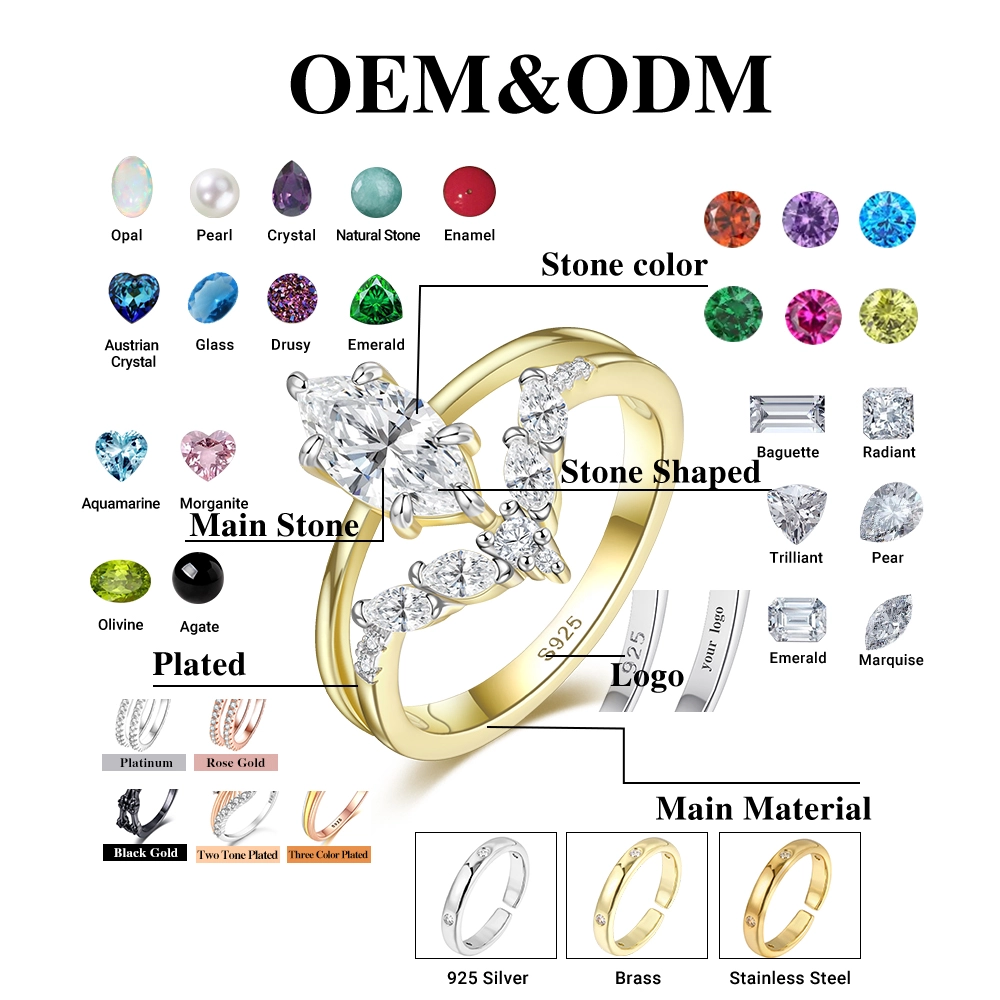
Include the product type, reference images or drawings, target material and finish, dimensions, stone requirements, estimated quantity, packaging, destination market, target timing, and any testing requirements. A complete brief makes the first feasibility review more useful and helps identify which details still need confirmation before pricing.
02What determines the minimum order quantity?
MOQ depends on the design, material, casting or tooling method, plating batch, stones, packaging, and production setup. It is confirmed for the actual style after the specification and quantity mix are reviewed. Similar-looking products can have different minimums when their construction or finish is different.
03How long do sampling and bulk production take?
Timing is confirmed after the design file, material, finish, stones, packaging, quantity, testing scope, and approval process are known. Sampling and bulk production should be planned as separate stages, with time allowed for buyer feedback, revisions, final sample approval, inspection, and shipment preparation.
04Can I use my own logo and packaging?
Logo placement, engraving, tags, cards, boxes, pouches, barcodes, and other packaging elements can be reviewed as part of the project. Feasibility, file format, color tolerance, packaging dimensions, MOQ, and cost should be confirmed in the written quotation and approved sample before bulk production.
05Can you work from a sketch, CAD file, or physical sample?
A project may begin with a sketch, technical drawing, CAD file, reference product, or detailed image set. The usable route depends on the complexity and intellectual-property status of the design. Dimensions, materials, construction, finish, stone setting, and permitted use should be clarified before development starts.
06How is confidential design information handled?
Do not send sensitive design files through a general form until the confidentiality route is agreed. Ask for the applicable NDA, authorized recipients, storage method, permitted use, ownership terms, and deletion or return process. These terms should be confirmed in writing before confidential artwork or samples are shared.
07Which jewelry materials and finishes can be reviewed?
Projects can be reviewed for sterling silver, brass, gold vermeil, selected stones, pearls, enamel, and common plating directions. The exact base material, plating color and thickness, protective coating, stone specification, and care requirements must be defined for the product and target market before commitment.
08What quality-control checkpoints should a buyer confirm?
Confirm incoming material checks, dimensions, stone setting, polishing, plating, appearance, function, packaging, final sampling method, defect criteria, and the records supplied with the order. The inspection plan should match the product risk and state who approves the sample and how nonconforming items are handled.
09Which certificates or test reports apply to my order?
There is no single certificate that covers every jewelry order. Applicable evidence depends on the legal supplier, material, product, destination, buyer policy, and report validity. Buyers should verify the entity name, sample description, test method, issuing laboratory, dates, scope, and whether the tested sample matches the ordered product.
10How should I approve a sample before bulk production?
Approve the sample against a written specification covering dimensions, weight tolerance where relevant, material, finish, stones, logo, packaging, function, color standard, and acceptable variations. Keep an approved reference and record any changes. Bulk production should not begin until the approval status and revision are clear.
11What should be confirmed before arranging shipment?
Confirm final inspection status, quantities, packaging, carton marks, documents, shipping terms, destination details, insurance responsibility, and the party handling customs requirements. Incoterms, payment milestones, title and risk transfer, and any buyer-specific routing instructions should appear in the commercial documents.
12How are reorders and product consistency managed?
Keep the approved specification, sample reference, material and finish codes, packaging files, inspection criteria, and change history for each style. Before a reorder, confirm whether components, processes, regulations, or costs have changed. Any substitution or visible change should be approved before production rather than assumed from an earlier order.
Get In Touch
Need Help or Have Questions?
Share your product, quantity, market, customization, packaging, and target timing. We will review feasibility and the next step without making unsupported commitments.